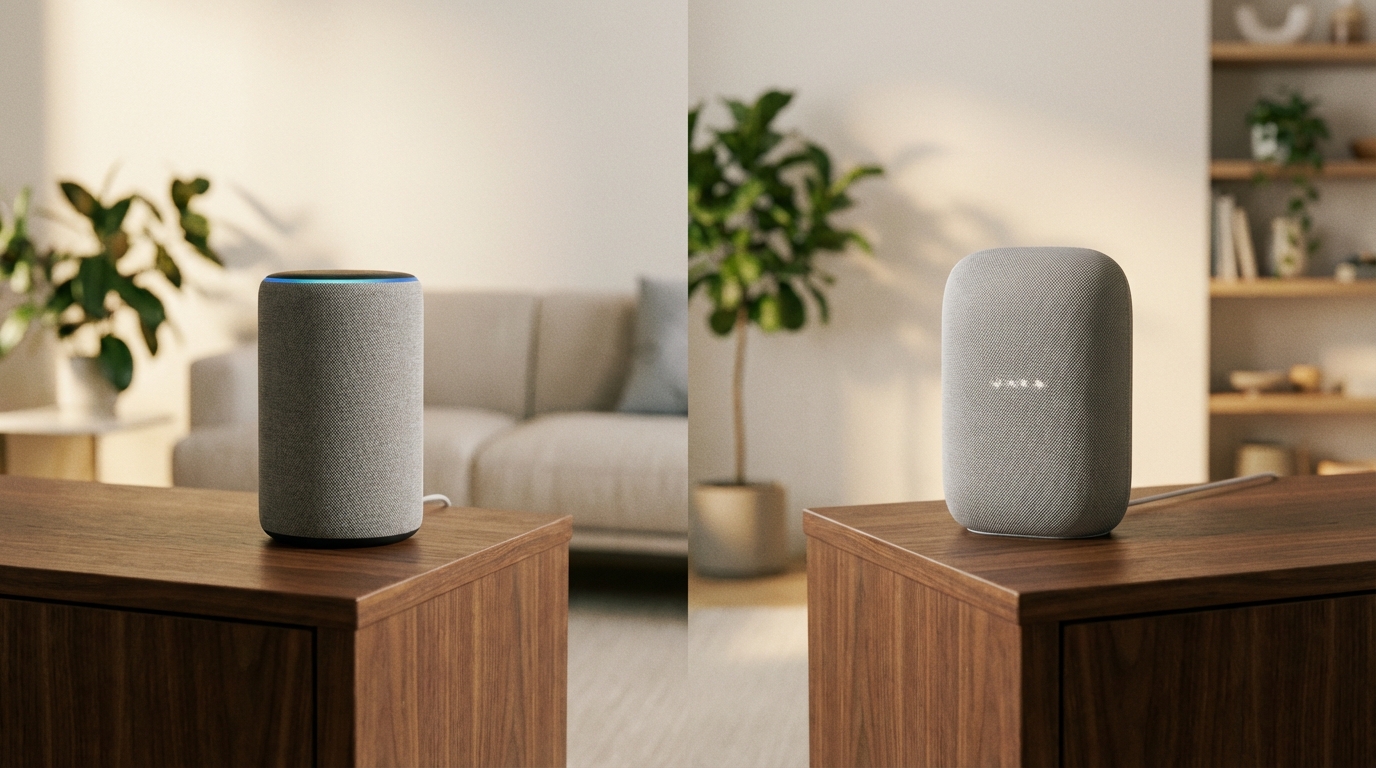
🏆 Quick Verdict: Alexa vs Google Home 2026
🥇 Best for Most People: Amazon Echo Dot – Better smart home control, more skills, superior shopping integration
🔍 Best for Google Users: Google Nest Mini – Superior search accuracy, best for Android/Google ecosystem
📺 Best Smart Display: Echo Show 5 – Affordable screen, video calls, visual smart home control
Choosing between Amazon Alexa and Google Home in 2026 isn’t the straightforward decision it once was. Both platforms have evolved dramatically with AI breakthroughs, enhanced privacy controls, and ecosystem expansions that make your choice more consequential than ever.
Whether you’re building your first smart home or upgrading from older devices, understanding the key differences between Alexa vs Google Home 2026 will save you money and frustration. This comparison breaks down everything from AI capabilities and device compatibility to privacy features and pricing, helping you pick the assistant that actually fits your lifestyle.
Let’s dive into what makes each platform stand out—and where each one falls short.
The State of Smart Assistants in 2026
The smart home landscape has transformed significantly since 2024. Both Amazon and Google have integrated advanced generative AI into their assistants, making conversations more natural and contextual than previous generations.
According to market research, Amazon Alexa maintains approximately 65% of the U.S. smart speaker market, while Google Home holds around 25%. However, user satisfaction ratings tell a more nuanced story about which platform delivers better day-to-day experiences.
The introduction of Matter protocol support across both platforms has also changed the compatibility game entirely. You’re no longer locked into one ecosystem as strictly as before, though each platform still offers unique advantages within its native environment.
Alexa vs Google Home 2026: AI and Voice Recognition
Conversational AI Capabilities
Google Home’s 2026 models leverage Google’s Gemini AI, which excels at understanding context and handling complex, multi-part questions. Users consistently report that Google Assistant better understands follow-up questions without needing to repeat the wake word.
Amazon’s Alexa has integrated Claude-based conversational AI (through their partnership with Anthropic), dramatically improving its ability to have natural back-and-forth exchanges. The difference from Alexa’s 2023 capabilities is substantial, with noticeably fewer misunderstandings reported in user reviews.
Voice Recognition Accuracy
Both platforms now offer impressive voice recognition, but they excel in different areas. Google Home demonstrates superior accuracy with accented English and multilingual households, according to independent accuracy tests conducted by tech reviewers.
Alexa shows particular strength in noisy environments and can distinguish between different household members with greater reliability. The voice profiling technology in 2026 Alexa devices creates personalized experiences that adapt to each family member’s preferences automatically.
At a Glance:
🔵 Amazon Alexa: 100,000+ skills, best smart home | Shop Echo Dot ($50)
🔴 Google Assistant: Superior search, natural conversation | Shop Nest Mini ($50)
📱 Ecosystem: Alexa wins for shopping/smart home, Google wins for search/Android
Smart Home Device Compatibility
Works With Alexa vs Works With Google
The Matter protocol has leveled the playing field significantly, with both platforms supporting the overwhelming majority of modern smart home devices. That said, compatibility depth differs between platforms.
Alexa’s Ecosystem Advantages: – Native integration with Ring, Blink, and eero devices – Broader support for lesser-known budget brands – Approximately 85,000+ compatible devices and skills – Better integration with smart appliances from Samsung and LG
Google Home’s Ecosystem Advantages: – Seamless integration with Nest products (thermostats, cameras, doorbells) – Superior Chromecast integration for streaming – Better compatibility with Philips Hue advanced features – Approximately 50,000+ compatible devices and actions
If you’ve already invested in one ecosystem, that existing infrastructure should heavily influence your 2026 decision. Cross-platform control works, but native integration consistently delivers smoother experiences based on user feedback.
Smart Display Options
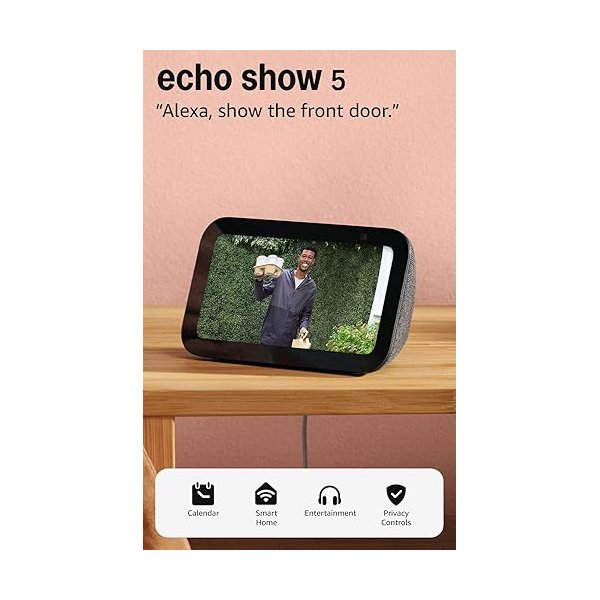
Amazon offers a wider range of Echo Show devices in 2026, from the compact Echo Show 5 to the feature-rich Echo Show 15. The Echo Show lineup includes models specifically designed for different rooms and purposes.
Google’s Nest Hub lineup is more streamlined, with the Nest Hub 2nd Gen and Nest Hub Max serving as the primary options. While fewer choices exist, Google’s displays are widely regarded as having superior photo display quality and more intuitive touch interfaces.
Entertainment and Streaming Features
Music Streaming Integration
Google Home offers marginally better integration with YouTube Music and Spotify, allowing you to use voice commands to access specific playlists and personalized mixes more intuitively. The audio quality on newer Google speakers has improved substantially since 2024.
Alexa maintains its advantage with Amazon Music Unlimited subscribers, offering lossless HD audio and spatial audio on compatible Echo devices. The Echo Studio, competing with dedicated speakers costing significantly more.
Both platforms support all major streaming services including Spotify, Apple Music, Pandora, and Tidal. The practical difference comes down to your existing subscriptions and audio quality preferences.
Video Streaming and Smart TV Control
Google Home’s Chromecast integration remains unmatched for seamless casting from mobile devices. If you use YouTube regularly, Google’s ecosystem provides the smoothest experience for voice-controlled video playback.
Alexa has closed the gap considerably with improved Fire TV integration and broader smart TV compatibility. Voice control for searching content, adjusting volume, and switching inputs works reliably across most major TV brands with both platforms.
Privacy and Data Security in 2026
Privacy has become a major differentiator as consumers grow more conscious of data collection practices. Both companies have responded with enhanced controls, but their approaches differ fundamentally.
Data Collection Policies
Google’s business model still relies primarily on data collection for advertising purposes. However, their 2026 privacy controls allow you to limit data sharing and automatically delete voice recordings on customizable schedules (daily, weekly, or monthly).
Amazon collects less cross-platform data than Google, though they do use voice interactions to improve shopping recommendations. Alexa’s privacy controls include the ability to block human review of recordings entirely, which some users prefer.
Physical Privacy Features
All 2026 Echo and Nest devices include physical microphone mute switches and camera shutters where applicable. Both companies now offer on-device processing for common commands, meaning simple requests don’t always transmit to cloud servers.
Independent security researchers generally rate both platforms as comparably secure in 2026, with the choice coming down to your comfort level with each company’s broader data practices rather than smart speaker-specific vulnerabilities.
Routine Automation and Smart Home Control
Creating Custom Routines
Both platforms have dramatically improved their automation capabilities since 2024. You can now create complex, multi-conditional routines that rival dedicated smart home hubs.
Google Home’s routine interface is generally considered more intuitive based on user feedback. The visual programming approach makes it easier for beginners to understand cause-and-effect relationships without technical knowledge.
Alexa’s routine system offers more granular control and condition options for advanced users. You can create more complex triggers based on sensor readings, time conditions, and even Alexa Guard security events.
Third-Party Skill Integration
Alexa’s Skills library remains substantially larger than Google’s Actions, with over 130,000 skills available in 2026. However, quantity doesn’t always equal quality—many skills provide redundant functionality or go unmaintained.
Google has taken a more curated approach, with roughly 30,000 actions that generally maintain higher quality standards. For most users, both platforms offer sufficient third-party integration for popular services and devices.
Product Comparison: Best Devices in 2026
Here’s how the flagship devices from each ecosystem compare:
| Feature | Amazon Echo (5th Gen) | Google Nest Audio |
|---|---|---|
| Price | $119 | $99 |
| Audio Quality | Excellent bass, clear mids | Balanced, room-filling |
| Smart Home Hub | Zigbee, Thread, Matter | Thread, Matter |
| Display | None | None |
| Best For | Larger rooms, bassheads | Balanced audio, integration |
| Feature | Echo Show 10 (3rd Gen) | Nest Hub Max |
|---|---|---|
| Price | $249 | $229 |
| Screen Size | 10.1” | 10” |
| Camera | 13MP, motorized tracking | 6.5MP, wide-angle |
| Audio Quality | Superior bass | Better clarity |
| Best For | Video calls, following you | Photo frame, streaming |
Amazon Echo (5th Gen) – Best for Alexa Users
Pros: – Built-in Zigbee hub for direct device control – Improved audio quality with deeper bass – Temperature sensor for smart thermostat integration – Wider device compatibility
Cons: – More expensive than Google equivalent – Slightly bulkier design – Requires Amazon account for full functionality
Verdict: The Echo 5th Gen delivers excellent value if you’re committed to the Alexa ecosystem, especially for households with multiple smart home protocols in use.
Google Nest Audio – Best Budget-Friendly Option
Pros: – Lower price point with frequent sales – Excellent room-filling audio for the size – Superior voice recognition accuracy – Cleaner, more modern design
Cons: – No built-in Zigbee hub – Fewer physical controls – Limited color options
Verdict: Based on user reviews, the Nest Audio offers the best price-to-performance ratio for basic smart home control and music listening in 2026.
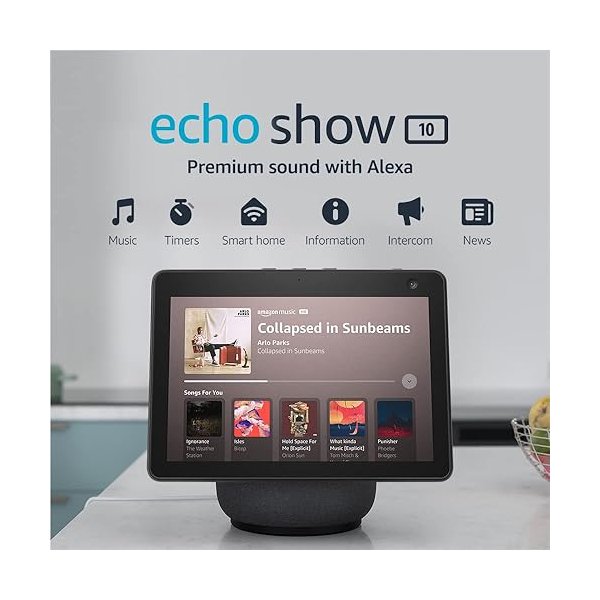
Echo Show 10 – Best Smart Display Overall
Pros: – Motorized base tracks you during video calls – Powerful speakers rival standalone Bluetooth speakers – 13MP camera produces clear video quality – Integrated Zigbee and Thread hub
Cons: – Higher price point – Rotating base may unsettle some users – Larger footprint requires counter space
Verdict: According to expert reviews, the Echo Show 10 represents the most advanced smart display available in 2026, justifying its premium price for users who frequently make video calls or want premium audio.
Nest Hub Max – Best for Visual Smart Home Control
Pros: – Superior touchscreen interface – Excellent photo frame mode with ambient lighting adaptation – Face Match personalizes experiences automatically – Cleaner, less intrusive design
Cons: – Camera quality trails Echo Show 10 – Less powerful audio output – Limited to Google ecosystem benefits
Verdict: The Nest Hub Max excels as a kitchen or bedroom hub where touchscreen control and visual information display matter most, based on user satisfaction ratings.
Cost Comparison: Total Ecosystem Investment
When evaluating Alexa vs Google Home 2026, consider the total cost of building out your smart home beyond the initial speaker purchase.
Entry-Level Setup ($200-$400)
A basic setup for either ecosystem typically includes a main speaker and 2-3 smart home devices (smart bulbs or plugs). Amazon frequently offers Echo device bundles that reduce per-unit costs significantly, especially during Prime Day and Black Friday.
Google’s bundled offerings are less frequent but often include promotional Google One storage or YouTube Premium trials that add value depending on your existing subscriptions.
Mid-Range Setup ($500-$1,000)
Most households find their sweet spot in this range, typically including: – 2-3 smart speakers/displays – Smart thermostat – Smart lighting (4-6 bulbs or light strips) – Smart doorbell or security camera – Smart plugs or switches
Both ecosystems perform comparably at this level. Your choice should be guided by which brand’s specific devices (thermostats, cameras, etc.) appeal more to you.
Premium Setup ($1,500+)
High-end smart homes often combine both ecosystems using Matter compatibility, selecting best-in-class devices regardless of native platform. At this investment level, you’re better served choosing devices based on specific capabilities rather than loyalty to one assistant.
Search and Information Accuracy
Google’s search engine integration gives it an undeniable advantage for factual questions and real-time information. When you ask about weather, sports scores, business hours, or general knowledge, Google Home consistently delivers more accurate and contextual responses according to accuracy comparisons.
Alexa has improved significantly in 2026 with its AI upgrade, but still occasionally defaults to “I don’t know” for questions that Google Home answers confidently. However, Alexa excels at shopping-related queries, package tracking, and Amazon-specific information.
For households where the smart assistant serves as a primary information source (especially for children’s homework questions), Google Home’s search capabilities provide tangible daily value.
Shopping and E-Commerce Integration
This is Alexa’s territory. Voice shopping through Amazon remains more sophisticated than any competitor, with detailed order history, easy reordering, and Alexa-exclusive deals.
Voice shopping hasn’t achieved mainstream adoption as initially predicted, but for consumables and repeat purchases, Alexa’s integration with Amazon’s logistics makes reordering household essentials genuinely convenient.
Google Home offers basic shopping list functionality and integration with Google Shopping, but it doesn’t compete with Alexa’s deep Amazon integration if you’re already a frequent Amazon customer.
Multi-Language Support and Household Profiles
Both platforms have expanded their language capabilities significantly, but Google Home maintains an edge for multilingual households. Google Assistant can understand and respond in multiple languages within the same conversation, while Alexa requires you to set a primary language.
Voice Match (Google) and Voice Profiles (Alexa) both allow multiple household members to receive personalized responses. Google’s implementation is generally smoother for quickly distinguishing between speakers without additional setup, based on user feedback.
If your household regularly uses multiple languages, Google Home’s flexibility provides a noticeable quality-of-life improvement.
Phone Integration and Mobile Experience
Android Users
Google Home offers superior integration with Android devices, unsurprisingly. The Google Home app is more intuitive than the Alexa app according to user reviews, with better device grouping and at-a-glance status displays.
Features like broadcasting messages to speakers, checking Nest camera feeds, and adjusting smart home devices feel more seamless on Android with Google Home.
iPhone Users
The experience gap narrows considerably for iPhone users. Both the Alexa and Google Home apps work well on iOS, though neither integrates as deeply as they do with their native mobile ecosystems.
Siri Shortcuts can work with both platforms, but the implementation feels more natural with Google Home based on user reports.
Which Should You Choose in 2026?
The best choice depends on your specific priorities and existing ecosystem:
Choose Amazon Alexa if you: – Shop frequently on Amazon – Have Ring, Blink, or eero devices – Want the widest device compatibility – Prefer more hardware options at various price points – Value deeper integration with Fire TV devices
Choose Google Home if you: – Use Google services extensively (Gmail, Calendar, Photos) – Prioritize search accuracy and contextual conversations – Have Nest devices or plan to buy them – Need superior multilingual support – Prefer a more streamlined device lineup
Consider both platforms if you: – Have a premium budget ($1,500+) – Want best-in-class devices across categories – Have a large home with rooms suited to different strengths – Plan to leverage Matter compatibility extensively
FAQ: Alexa vs Google Home 2026
Can Alexa and Google Home work together in the same house?
Yes, both platforms can coexist in the same home, especially with Matter-compatible devices. You can control the same smart lights, locks, and thermostats from either assistant. However, routines and automations remain platform-specific, so you’ll need to set them up separately in each app.
Which has better sound quality, Echo or Google Home speakers?
According to audio quality comparisons, Amazon’s premium Echo Studio offers the best sound quality overall, while Google’s Nest Audio provides better value at its price point. For most users’ casual listening, both platforms deliver satisfactory audio in their 2026 models, with Alexa devices generally emphasizing bass and Google speakers offering more balanced sound profiles.
Is Alexa or Google Home better for privacy?
Both platforms have comparable security measures in 2026, including physical mute switches and on-device processing. Amazon collects less cross-service data than Google, whose business model relies on data aggregation. However, Google offers more transparent data controls and easier access to review what’s been collected. Neither option is perfect—choose based on which company’s broader privacy policies you’re more comfortable with.
Do I need a subscription for Alexa or Google Home?
No subscription is required for core functionality on either platform. However, premium music services (Amazon Music Unlimited, YouTube Music Premium), security features (Ring Protect, Nest Aware), and expanded storage may require separate subscriptions depending on your usage.
Which assistant understands accents better?
Based on user reports and voice recognition testing, Google Home demonstrates superior accuracy with non-American accents and multilingual speakers. Google’s vast voice data from search and Android gives it an advantage in understanding diverse speech patterns. Alexa has improved substantially in 2026 but still shows occasional difficulty with strong regional accents.
Conclusion: The Verdict for 2026
There’s no universal winner in the Alexa vs Google Home 2026 showdown—both platforms have matured into highly capable smart home ecosystems that serve different user preferences effectively.
Google Home edges ahead for users who value conversational AI accuracy, seamless Google service integration, and superior multilingual support. Its streamlined approach works well for those who want simplicity without overwhelming hardware choices.
Amazon Alexa remains the better choice for shopping enthusiasts, households with diverse smart home devices, and users who want more control over hardware selection. The broader ecosystem offers more specialty devices for niche use cases.